The Nature of Risk in Gaming
Risk is an inherent element of casino gaming, intricately woven into every bet and decision made by players. When individuals partake in games of chance, they consciously embrace the uncertainty that comes with the potential outcomes. This acceptance is largely driven by psychological responses to anticipated rewards; the thrill of winning often overshadows the dread of losing. Within this context, players explore various strategies, including those offered by canadian betting sites , engaging in a continuous assessment of odds, weighing their willingness to stake their money against the prospect of substantial payoffs that can change their fortunes in an instant.
The nature of risk in gaming transcends mere financial investment; it encompasses a range of emotional and psychological stakes as well. Players frequently experience a whirlwind of emotions, from elation to anxiety, as they navigate the unpredictable terrain of gambling outcomes. A deeper understanding of these emotional responses is vital, not just for the players but also for casino operators. Games that effectively tap into this emotional spectrum can heighten the thrill of play and foster increased engagement, ultimately driving more frequent participation and loyalty among patrons.
Moreover, the perception of risk is subjective and varies greatly from one individual to another. Factors such as personal experiences, cultural backgrounds, and social influences play critical roles in shaping how someone approaches the risks inherent in casino gaming. For some, high-risk games represent a thrilling adventure, while others may view them as daunting challenges. These differing perspectives create a rich tapestry of risk perceptions within the casino environment, influencing player choices and behaviors in profound ways.
The Role of Cognitive Biases
Cognitive biases significantly influence the decision-making processes of players in casino gaming. One of the most notable biases is the optimism bias, where individuals believe they are less likely to face negative outcomes compared to others. This distorted perception propels players to engage in risk-taking behaviors they might otherwise avoid, often leading them to participate in games where the odds are not in their favor. As players immerse themselves in the vibrant gaming atmosphere, the encouragement and excitement from peers can further amplify these risky tendencies.
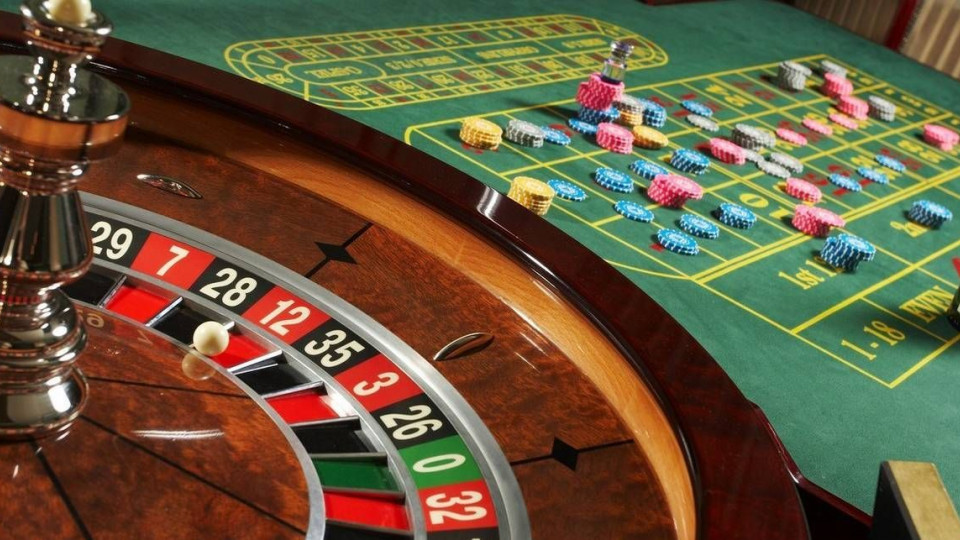
Another prevalent cognitive distortion is the gambler’s fallacy, particularly evident in games that involve sequences or patterns. Players might mistakenly believe that previous outcomes can influence future results, such as assuming a specific number in roulette is “due” to win after a series of misses. This cognitive misjudgment can lead to riskier betting behaviors, as individuals continue to gamble despite the odds being against them. Recognizing these biases is crucial, as it can inform better strategies for decision-making and help players understand their motivations.
Furthermore, awareness of cognitive biases presents an opportunity for casinos and gaming platforms to refine their marketing strategies and enhance player engagement. By understanding how these biases affect player behavior, casinos can tailor their offerings to either mitigate risky behavior or capitalize on it. For instance, providing educational resources on rational decision-making in gaming can enhance player satisfaction while promoting responsible gambling practices, allowing players to engage in risk-taking in a more informed manner.
The Emotional Dynamics of Winning and Losing
The emotional responses to winning and losing in casino gaming are both profound and influential, significantly affecting players’ future behaviors. Winning typically triggers a rush of excitement and validation, creating a desire to continue playing in pursuit of that elation. This emotional high can lead to a cycle where players chase after the thrill of winning, often disregarding the rational aspects of their betting strategies. Conversely, losses can evoke feelings of frustration, disappointment, and anger, driving players to engage in riskier behaviors as a misguided attempt to recoup their losses and restore their emotional balance.
The phenomenon of “loss aversion” provides insight into why players often react more intensely to losses than to equivalent wins. This psychological tendency explains many players’ inclination to double down on their bets after experiencing a loss, driven by the hope that a significant win will alleviate their emotional distress. Understanding these emotional dynamics can illuminate why players may engage in risk-chasing behaviors, leading to a cycle of escalating risk that could result in significant financial repercussions.
Moreover, the social context in which gaming occurs further amplifies these emotional responses. The camaraderie among players can enhance the thrill of winning or heighten the collective sorrow of loss, significantly influencing individual perceptions and reactions to outcomes. In group settings, the shared experiences can drive players further into a risk-taking mindset, as they feed off each other’s emotional energy. Casinos often capitalize on this social atmosphere to create environments where increased emotional engagement translates into higher gaming activity and player retention.
The Impact of Environment on Risk Perception
The casino environment is meticulously crafted to enhance the gaming experience and influence players’ perceptions of risk. Bright lights, enticing sounds, and an overall immersive ambiance create an atmosphere that heightens emotional responses and distracts players from the rational aspects of their decision-making. This psychological manipulation underscores the extent to which physical surroundings can affect risk-taking behavior, encouraging players to engage in actions they might avoid in more subdued settings.

Additionally, the presence of other players and the atmosphere generated by their actions can significantly sway risk perception. Observing others win can evoke excitement and a sense of camaraderie, prompting individuals to increase their bet sizes, motivated by the allure of potentially winning together. Conversely, witnessing others lose may induce caution in some players, while others might feel emboldened to take greater risks, fueled by the hope of being the next big winner. This showcases the complex social dynamics at play in casino environments.
Casinos employ various strategies to create this alluring environment, from the layout of gaming floors to the selection of games available. By understanding how these environmental factors shape risk perception, operators can optimize player engagement and loyalty. This impact highlights the importance for players to remain cognizant of how external influences can sway their decisions and the level of risk they are willing to embrace while gaming.
Responsible Gaming and Resources
Responsible gaming is paramount for both players and casino operators when considering the dynamics of risk. A thorough understanding of the psychological aspects of risk-taking can lead to better-informed decisions and promote healthier gaming habits. Casinos are increasingly recognizing their role in fostering a safe gaming environment by providing resources and support for players. These initiatives may include tools that help players set limits on their spending and the time they dedicate to gaming.
In addition, numerous organizations dedicated to promoting responsible gaming offer valuable information and assistance for individuals grappling with gambling-related issues. These resources aim to educate players about the psychological aspects of risk, empowering them to develop mindfulness around their gaming habits. By equipping players with knowledge, they become better prepared to make informed decisions that align with their personal values and financial realities.
Creating awareness around the psychological dynamics of gaming can significantly enhance player experiences. As players gain insight into the factors that influence their decisions, they may adopt a more balanced approach to gaming. This not only increases their enjoyment but also fosters a healthier relationship with risk in the gaming context, ensuring that the thrill of risk remains an engaging experience rather than a pathway to distress.